
The Western Australian Government’s recent announcement of $49 million in Housing Innovation Fund grants marks a significant milestone for the future of housing delivery in WA — and importantly, a major endorsement of timber-based modern methods of construction (MMC).
For those working across the timber and offsite construction sectors, the announcement is more than just another funding package. It represents a clear acknowledgement that improving housing supply in WA will require faster, smarter and more scalable construction systems, supported by advanced local manufacturing capability.
At Timber Insight, we see this as a strong and positive step toward strengthening WA’s residential construction supply chain while creating long-term opportunities for timber framing, prefabrication and industrialised construction methods.
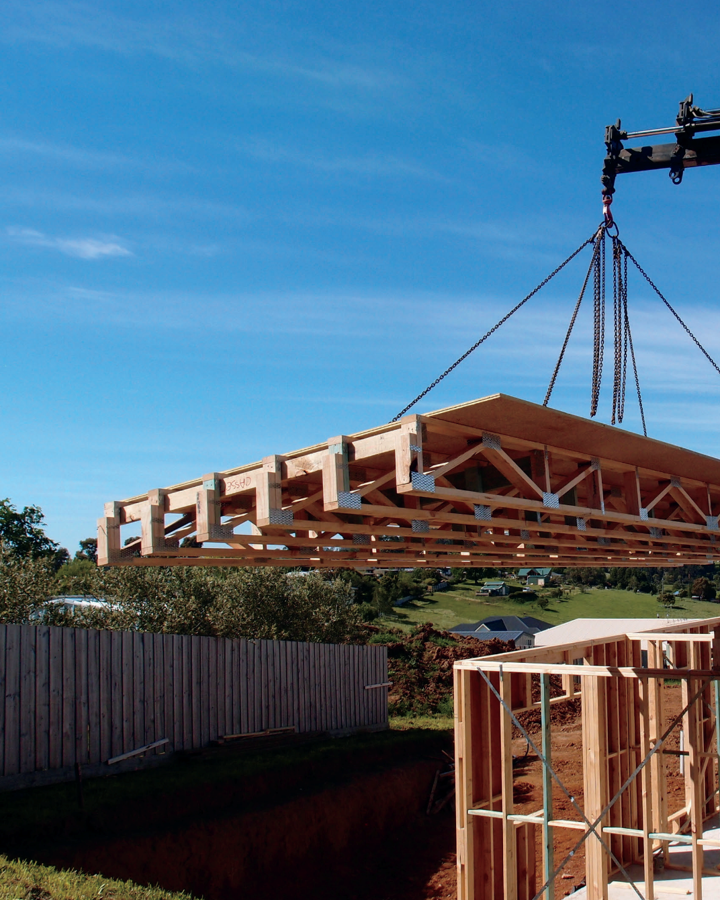
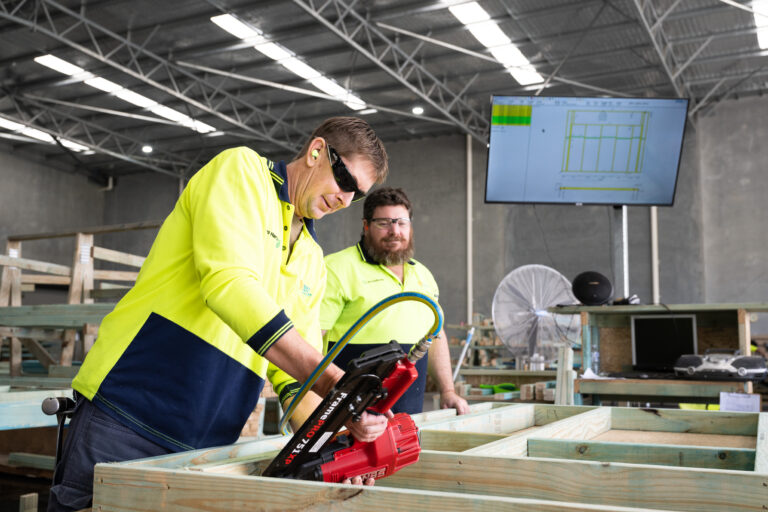
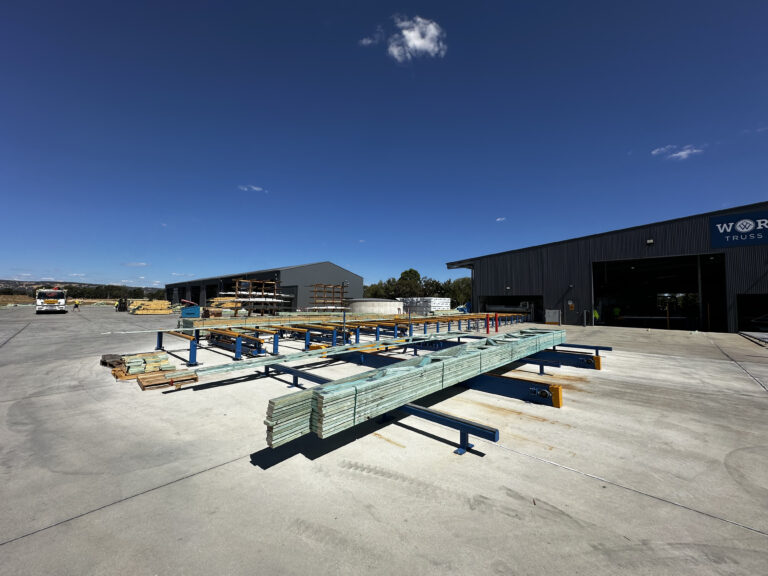
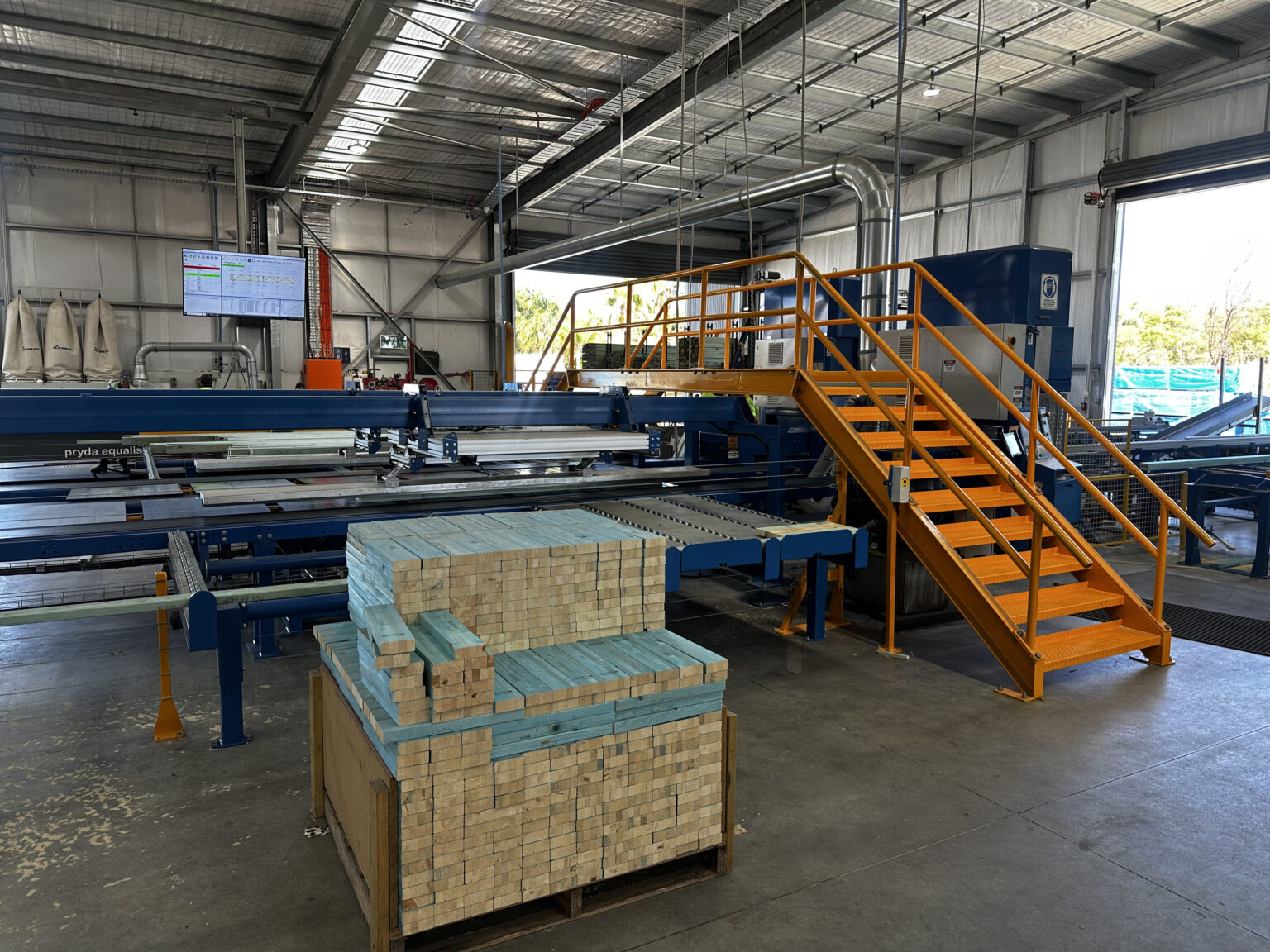
The grants, announced under the Cook Government’s Housing Innovation Fund, will support manufacturers adopting modern construction systems including prefabricated wall frames, modular housing systems and factory-manufactured building components. The program is specifically designed to help industry increase housing supply, improve productivity and reduce delays caused by labour shortages and onsite inefficiencies. (wa.gov.au)
Strong Investment Into Timber-Based Housing Systems
A particularly encouraging outcome from the funding announcement is the substantial support directed toward timber-focused manufacturing and prefabrication businesses.
Several of the successful recipients are directly involved in timber framing, timber component manufacturing and advanced prefabrication systems. Businesses such as Colli Frame & Truss, WA Timber Sales, Pinelock Systems, Home Group WA, AG Trusses and Independent Timber Supplies have all been successful with their grant submissions. Collectively, these projects account for more than $20.3 million in direct government funding toward timber and timber-related housing manufacturing capability.
Importantly, the grants also require recipients to provide matching private investment contributions. This means the actual capital being deployed into advancing timber building systems and manufacturing capability is significantly larger, likely exceeding $40 million across these projects alone. (wa.gov.au)
This level of investment demonstrates growing confidence in timber framing and prefabricated building systems as a practical solution to WA’s housing delivery challenges.
Why This Matters
Western Australia’s housing sector continues to face significant pressure from labour shortages, construction delays, rising costs and constrained delivery capacity.
Traditional construction methods alone are struggling to meet the scale and speed required to address current housing demand.
Modern methods of construction, particularly prefabricated timber systems, offer a pathway toward improved efficiency, faster project delivery and more predictable construction outcomes.
Factory-based timber manufacturing can provide several advantages:
- Faster build times through parallel manufacturing and onsite works;
- Improved quality control through controlled manufacturing environments;
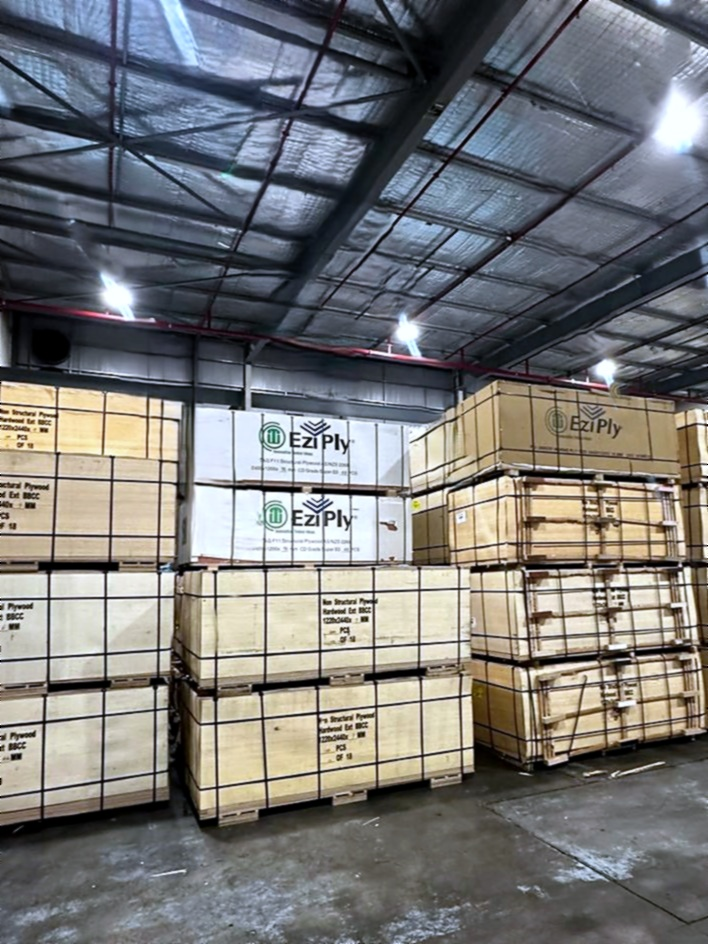
- Reduced material waste and improved construction efficiency;
- Reduced weather-related delays;
- Better scalability to meet housing demand;
- Increased certainty around program delivery;
- Improved safety and productivity outcomes.
The WA Government has specifically identified prefabrication and advanced manufacturing as a key part of its strategy to accelerate housing supply. Overseas examples referenced by the Government suggest large-scale prefabrication can reduce apartment delivery costs by approximately 20% while reducing construction timeframes by up to 50%. (wa.gov.au)
A Positive Signal for Industry
Beyond the funding itself, this announcement sends an important signal to the broader construction industry.
It reinforces that timber framing, prefabrication and offsite manufacturing are no longer niche approaches – they are becoming central to the future of housing delivery in WA.
The investment also supports the growth of local manufacturing capability, helping retain skills, jobs and economic value within Western Australia.
Importantly, several funded projects are located in regional WA, including Pinelock Systems’ Albany initiative, demonstrating the opportunity for regional manufacturing hubs to play a larger role in the state’s housing supply chain.
For the timber sector, this creates opportunities not only for manufacturers, but also for builders, designers, engineers, suppliers and installers who are ready to work within more integrated and industrialised construction systems.
The Opportunity Ahead
While funding alone will not solve WA’s housing challenges, it is a meaningful step toward building the capacity and confidence needed to modernise the industry.
As these facilities expand and new manufacturing capability comes online, the industry will need continued collaboration across the entire housing supply chain – including government, manufacturers, builders, developers, designers and training providers.
The success of modern timber construction will ultimately depend not only on manufacturing capacity, but also on industry capability, education, procurement confidence and adoption at scale.
At Timber Insight, we believe this announcement reflects a broader transition already underway across the industry.
The future of housing delivery in WA will increasingly rely on smarter construction systems, improved manufacturing capability and greater use of prefabricated timber building solutions.
This latest investment is a strong indication that WA is beginning to position itself for that future.